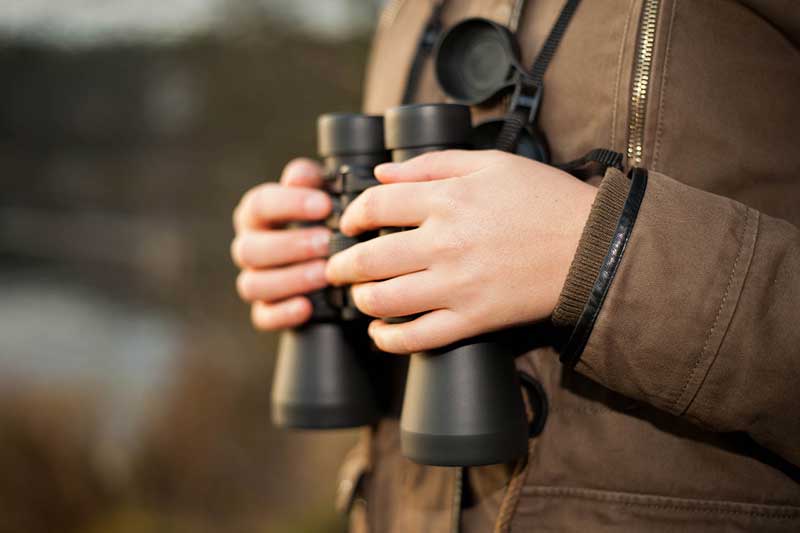
Proper cleaning of your bird watching binoculars not only protects them from potential damage but also extends their lifespan, ensuring they continue to provide clear and crisp views. Before starting, it’s always a good idea to refer to the manufacturer’s guidelines for any specific cleaning instructions, as some binoculars may require particular care.
If no specific instructions are available, follow the steps below while ensuring a delicate touch to protect both the body and the lenses of your binoculars.
Regularly cleaning the exterior of your binoculars helps maintain their appearance and ensures they remain in good working condition. Use a lint-free cotton cloth or a silicone-impregnated cloth, which is often supplied by the manufacturer, to gently wipe down the surface. These types of cloths are ideal for removing dust, smudges, and fingerprints without damaging the finish of the binoculars.
When cleaning, pay attention to areas that are more prone to dirt and grime, such as the focus wheel, hinges, and the edges around the eyepieces. These parts often accumulate debris from handling, especially if you’ve been using your binoculars in dusty, muddy, or outdoor environments.
For stubborn dirt, slightly dampen the cloth with water or a mild cleaning solution recommended by the manufacturer. Avoid soaking the cloth or allowing moisture to seep into the seams, as this could damage the internal components. Take extra care around any screws, rubber grips, or moving parts to ensure that no liquid or debris disrupts their function.
Regularly inspect the rubber armour or grip material for signs of wear or damage. Keeping these parts clean and free from debris not only improves the aesthetics but also ensures a secure, comfortable grip when using the binoculars. Finally, avoid using harsh chemicals, abrasive cleaners, or rough materials to clean the exterior, as these can scratch or damage the finish.
Proper lens care is important for maintaining the clarity and functionality of your binoculars. The lenses are one of the most sensitive parts of the equipment and can be easily scratched or damaged if handled improperly. Touch the lenses as little as possible to avoid transferring oils, smudges, or dirt from your fingers onto the surface. Even small particles of dust, sand, or salt can scratch the lens coatings, reducing optical quality over time.
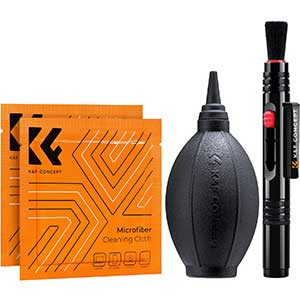
Start by brushing away any loose dirt or debris from the lenses using a soft brush, such as a small paintbrush or a makeup brush. A dedicated lens brush is best, but if you don’t have one, these alternatives will suffice. Hold the binoculars upside down to allow any loose particles to fall off, ensuring they don’t scratch the surface when wiped.
Alternatively, you can use compressed air to blow away any dust, but make sure not to breathe directly onto the lenses, as the moisture from your breath can add to the dirt and create streaks.
Once the larger particles are removed, use a clean, soft lens cloth, preferably made of microfibre, to wipe the lenses. Apply minimal pressure and use circular motions, starting from the centre of the lens and working outward. Avoid using abrasive materials like paper towels, tissues, or clothing, as these can scratch the lens or leave fibres behind.
If the lenses are particularly dirty, you can use a specialised lens cleaning solution. Apply the solution sparingly to the cloth rather than directly onto the lens to prevent excess moisture from seeping into the edges. Some binocular manufacturers may recommend specific cleaning products, so check the user manual for guidance.
To remove smudges or fingerprints from the lenses, use a lens cleaning pen or a lint-free cloth. When wiping, do so gently and avoid applying excessive pressure, as this could damage the coatings on the lenses
Before and after cleaning your binoculars, take the time to carefully inspect both the lenses and the casing for any visible signs of damage. This includes looking for scratches on the lens surfaces, which can impair the clarity of your view, or cracks and dents on the body of the binoculars that could affect their structural integrity.
Check for loose or broken components, such as the eyepiece or the focusing mechanism. Even small issues like misaligned lens elements or loose rubber eyecups can impact the functionality of the binoculars. Pay close attention to the lens coatings, as scratches or chipped coatings can degrade image quality. Regular inspections help you identify problems that can be addressed before they worsen, so you can avoid costly repairs or replacements down the line.
Having the right tools on hand can make a significant difference when it comes to maintaining the cleanliness of your binoculars. The right equipment not only ensures effective cleaning but also helps protect your lenses from damage.
A high-quality lens pen is an essential tool for any serious bird watcher. These pens typically feature a two-in-one design: one end has a small, soft-bristled brush that’s perfect for gently sweeping away loose dust or dirt from the lens surface, while the other end has a felt tip treated with a special cleaning compound. This cleaning tip is ideal for tackling stubborn smudges or fingerprints without risking scratches.
Lens pens are compact, portable, and easy to use, making them especially valuable when you’re out in the field and need to clean your binoculars quickly. They are also effective at cleaning hard-to-reach areas like the edges of the lenses and the eyepiece. When purchasing a lens pen, make sure to select one specifically designed for optical equipment, as these are safe for delicate lens coatings.
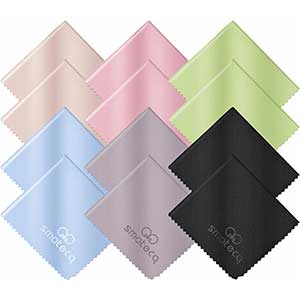
While a standard lint-free cloth is good for general cleaning, microfibre cloths are far superior when it comes to wiping down lenses. Microfibre is composed of tiny fibres that are designed to trap dust, dirt, and oils without leaving streaks or residue behind. These cloths are extremely gentle on the surface of your lenses, making them ideal for regular use without causing scratches. Their absorbency is also excellent, so they can quickly soak up any moisture, such as condensation or water droplets, that may accumulate on the lenses.
They’re often supplied with binoculars when purchased, but it’s worth having several on hand, especially if you’re in the field and may need to clean your lenses multiple times. Be sure to wash microfibre cloths regularly to keep them free from embedded dust or oils, as these could leave marks on your lenses if not properly cleaned.
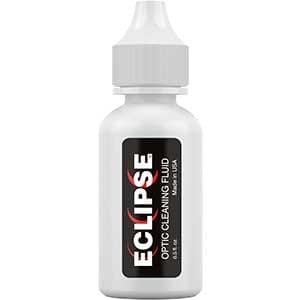
You may also want to consider investing in a lens cleaning solution specifically designed for optics. This solution can help break down oils and grime that are difficult to remove with dry cloths alone. However, always remember to use it sparingly and avoid harsh chemicals that could damage the coatings on your lenses.
When not in use, store your lens cleaning tools, such as brushes, cloths, and pens, in a clean, dry place, ideally in a plastic bag to protect them from dust or dampness. This ensures that your cleaning tools remain in optimal condition and are ready for the next use.
This page contains affiliate links. For more information please see our disclosure here.