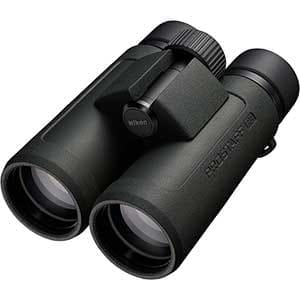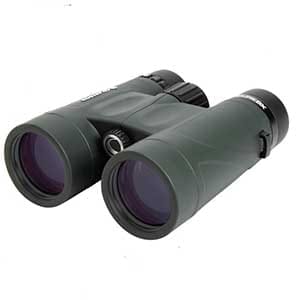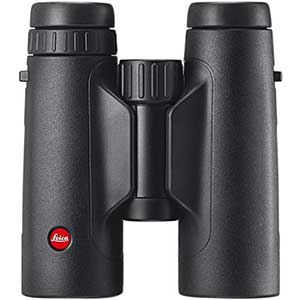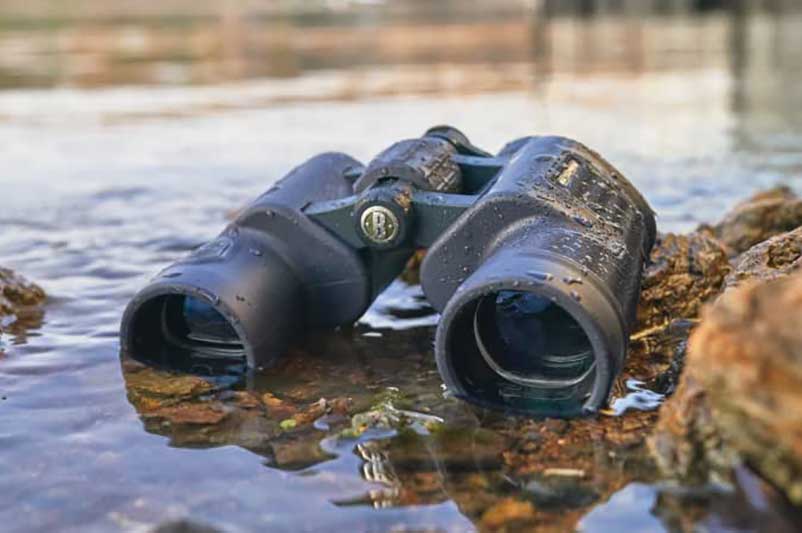
When it comes to bird watching, being prepared for unpredictable outdoor conditions is key to a successful and enjoyable experience. Binoculars are a birdwatcher’s most essential tool, but exposure to water, humidity, or fluctuating temperatures can quickly compromise their functionality.
Weatherproof, waterproof, and fog-proof binoculars are designed to handle the challenges nature throws at them, ensuring that you don’t miss a single moment of bird activity due to blurred lenses or internal damage. They not only withstand rain and condensation but also provide crystal-clear views in varying conditions, from damp marshlands to windy hilltops.
Unpredictable weather: Conditions can change suddenly, especially in regions with variable climates. A sunny morning may quickly give way to rain, snow, or heavy mist. Without weatherproof gear, this can spell disaster for your binoculars, leading to water damage or lens fogging.
Condensation issues: Early mornings, a prime time for bird watching, often bring dew and humidity. Temperature fluctuations, such as moving from a warm car to a cold outdoor setting, can cause internal fogging, making your lenses unusable just when you spot an interesting bird.
Exposure to rough environments: Wetlands, forests, and coastal areas expose binoculars to dust, sand, and moisture, which can damage sensitive internal components if not properly sealed.
Choosing the right binoculars involves understanding the key components that make them suitable for outdoor bird watching in various weather conditions. Waterproofing, fog-proofing, and durable construction are essential to ensuring reliability, while understanding the nuances of weatherproofing and waterproofing can help you make an informed decision. Here’s a breakdown of what to look for:
Waterproofing is one of the most important features for bird watchers who spend time in unpredictable outdoor conditions.
The IPX (Ingress Protection) rating system defines how resistant your binoculars are to water and dust. Each number in the rating indicates the level of protection offered against specific elements.
IPX1: Protection against vertically falling water, such as light rain. This is the lowest level of water resistance, offering only basic protection against minimal exposure to water.
IPX2: Protection against water sprayed at an angle of up to 15 degrees from the vertical. This offers slightly more protection than IPX1, but still only suitable for light exposure to rain.
IPX3: Protection against water sprayed at an angle of up to 60 degrees from the vertical. Binoculars with this rating can handle light rain or water spray from any direction, but should not be submerged.
IPX4: Protection against water splashes from any direction. Suitable for birdwatchers in damp environments, but not for submersion.
IPX5: Protection against low-pressure water jets from any direction. This level can handle more sustained exposure to rain, ideal for use in persistent but not torrential downpours.
IPX6: Protection against powerful water jets or heavy rain. This rating ensures protection from strong streams of water, but the binoculars cannot be submerged. Perfect for bird watching in severe rainfall.
IPX7: Protection against submersion in water up to 1 metre deep for 30 minutes. This is a highly recommended rating for those who might accidentally drop their binoculars into shallow water or need them for wet conditions.
IPX8: Protection against continuous submersion in water beyond 1 metre depth. Binoculars with this rating are ideal for extreme conditions like being submerged in deeper water, such as while bird watching near the sea or in heavy rain.
When choosing binoculars for outdoor bird watching, it’s important to select the appropriate IPX rating based on the conditions you’ll likely encounter. Higher ratings, such as IPX6 to IPX8, provide greater protection against water damage and are perfect for those who require robust, long-lasting performance in wet environments.
Waterproof binoculars rely on O-ring seals to create a tight barrier, preventing water, moisture, and even dust from entering the internal components. These seals are essential for maintaining functionality and protecting the lenses, prism, and focus mechanisms from damage caused by water infiltration.
Fogging can be a major issue, particularly in cold or humid conditions, where rapid temperature changes lead to condensation on or inside the lenses.
Nitrogen or Argon Gas Purging: Many high-quality binoculars are fog-proofed by filling the internal chambers with nitrogen or argon gas. These inert gases replace oxygen, which prevents moisture from condensing inside the binoculars, even when temperatures fluctuate significantly.
Fog-proofing is invaluable in environments such as:
Early mornings: When temperature drops and dew is common.
High altitudes: Where sudden temperature shifts can cause internal fogging.
Fog-proofing ensures clear vision no matter the conditions, making it a must-have for serious bird watchers.
The terms weatherproofing and waterproofing are often used interchangeably, but they can refer to different levels of protection.
Weatherproofing: This indicates general resistance to outdoor conditions, such as light rain, wind, and minor dust exposure. Weatherproof binoculars may not be fully sealed and could fail in heavy rain or submersion.
Waterproofing: Specifically designed to resist water infiltration, waterproof binoculars are built to withstand heavier exposure, such as submersion or sustained rain.
When selecting binoculars, it’s important to assess whether you need full waterproofing (e.g., for wetlands or rainy climates) or if weatherproofing will suffice for less extreme conditions.
As well as being weatherproof and fog-proof, the durability of binoculars plays a significant role in their performance and longevity.
Rubberised armour: Most high-quality binoculars come with a rubber-coated exterior, which serves multiple purposes:
Shock absorption: Protects the binoculars from drops or bumps while out in the field.
Improved grip: Ensures a firm, non-slip grip even in wet or humid conditions, making it easier to hold and adjust them.
Scratch-resistant lenses: The lenses are arguably the most important part of binoculars, and scratches can severely impact your viewing experience. Look for binoculars with scratch-resistant coatings, which add a layer of protection against accidental contact with rough surfaces or cleaning mishaps.
Not all waterproof binoculars are created equal. It’s important to understand the specific waterproof rating of your binoculars and the conditions in which they can perform reliably:
Waterproof doesn’t mean submersible: Many binoculars claim to be waterproof, but this usually refers to their ability to withstand rain or brief splashes. Some waterproof models can’t handle extended submersion in water, which may cause damage if they’re accidentally dropped in a lake or submerged for long periods. Always check the IPX rating or product specifications to understand how much water exposure your binoculars can handle.
Waterproofing is not impervious to everything: Even if binoculars are waterproof, they may not be completely impervious to other elements like dust or sand. Ensure that the lenses are free from debris before using your binoculars in environments with these particulates.
Don’t test beyond limits: Just because binoculars are rated to be waterproof or fog-proof doesn’t mean they can withstand extreme conditions indefinitely. Avoid intentionally exposing your binoculars to excessive water, saltwater, or harsh chemicals.
Investing in weatherproof binoculars is essential for any serious birdwatcher who wants to enjoy their hobby in all conditions. With the right care and maintenance, these binoculars will continue to provide reliable, clear views through rain, fog, and varying temperatures, enhancing your bird watching experience for years to come.
This page contains affiliate links. For more information please see our disclosure here.