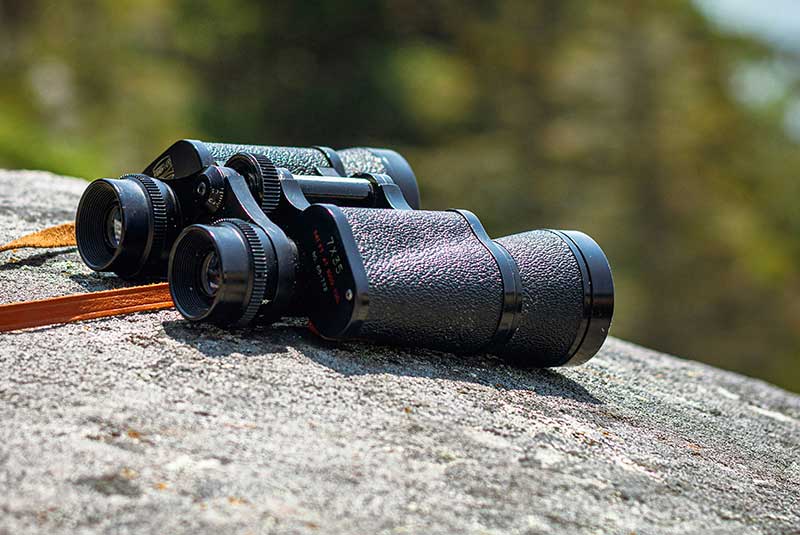
If you’ve recently invested in a pair of binoculars for bird watching, it’s important to take proper care of them to ensure they remain in excellent condition for years to come. As they’re likely your most expensive piece of bird watching equipment, a little maintenance can go a long way in preserving their performance.
When heading out into the field, it’s often best to leave the case at home or in your car to avoid it getting dirty, wet, or misplaced. The case is primarily for storage or travel, ensuring your binoculars are kept safe when not in use. While in the field, the focus should be on protecting your binoculars from the elements. Make sure the rainguard is in place to shield the lenses from rain or dust. It’s also a good idea to be mindful of where you place or hang your binoculars during your outing. Avoid putting them directly on the ground or in places where they might be knocked over or exposed to moisture.
Although lens caps provide long-term protection for storage, they can be cumbersome when you’re actively using your binoculars. For daily field use, consider whether it’s more practical to leave the caps off or use them only when needed. Be sure to attach the strap securely and adjust it for comfort, as a well-fitted strap can make your binoculars easier to carry and access quickly when spotting birds.
When your binoculars are not in regular use, always store them in their case to shield them from dust, scratches, or accidental knocks. If you live in a humid climate, consider adding a silica gel packet to the case to prevent moisture buildup, which could lead to mould or fungus on the lenses. Avoid storing your binoculars in damp or overly warm areas, as these conditions can damage both the internal components and the exterior casing.
If your binoculars are exposed to rain or moisture, it’s essential to dry them thoroughly as soon as possible. Use a soft, lint-free cloth to wipe down the exterior, paying close attention to crevices where water might collect, such as around the eyepieces, focus wheel, and hinges. If you suspect that moisture has seeped inside, place the binoculars in a warm, dry area to allow them to air out naturally. Avoid placing them in direct sunlight or using artificial heat sources, like hair dryers or heaters, as these can damage the delicate components inside.
Never attempt to open the binoculars yourself, even if you think moisture has entered. Most binoculars are carefully sealed, and tampering with them could void the warranty or cause further damage. If you notice fogging or persistent moisture inside, consult a professional repair service or the manufacturer for assistance.
Don’t store binoculars in their case until they are completely dry. Placing them in an enclosed space while still damp can trap moisture and lead to mould or fungal growth, which can permanently damage the lenses.
For non-waterproof binoculars, exercise extra caution around marine or salt spray environments. Salt particles are particularly corrosive and can cause significant damage if they penetrate unsealed components. After use near saltwater, gently wipe the binoculars with a damp cloth to remove any residue, then dry them thoroughly. Consider using a lens blower to remove any particles from the lenses before cleaning.
Extreme weather conditions can present unique challenges when using binoculars. Proper care in these environments will help ensure your binoculars continue to function optimally and last longer.
In cold weather, one of the most common issues binocular users face is fogging. When moving from a cold environment to a warmer one, moisture from the air can condense on the lenses, impairing visibility. To prevent this, try to keep your binoculars inside your coat or in a pocket when not in use. This helps maintain a stable temperature and reduces the risk of fogging when you take them out.
If you live in an area prone to cold temperatures, consider using anti-fog wipes or sprays, which can create a thin protective layer on the lenses that prevents moisture buildup. Some binoculars are equipped with nitrogen-purged or sealed optics that help prevent internal fogging, but if your binoculars aren’t designed for this, you’ll need to be proactive about keeping moisture away. When you do notice fogging, avoid wiping the lenses until they have had a chance to stabilise in temperature, as wiping while fogged may cause streaking or introduce particles that could scratch the lens.
In tropical or humid climates, one of the primary concerns is the growth of mould or fungus on the lenses. Moisture in the air can easily seep into the binoculars, causing long-term damage to the internal components and lenses. To prevent this, after using your binoculars in humid conditions, wipe them down thoroughly with a dry, lint-free cloth and ensure that they are completely dry before storing them.
Consider using silica gel or moisture-absorbing packets inside the case to help keep the internal atmosphere dry. Store your binoculars in a cool, dry place when not in use and avoid leaving them in humid environments for extended periods. For long-term storage, it may be helpful to invest in a moisture-resistant case that can further protect your binoculars from the dampness in the air.
Excessive heat can also damage binoculars. Don’t leave your binoculars in direct sunlight or in hot locations, such as the interior of a car, as the high temperatures can warp the casing, damage the seals, and degrade the optical coatings. Prolonged exposure to heat can also cause internal components to shift or misalign, potentially ruining the precision of your focus mechanism.
If you’re heading out on a hot day, always store your binoculars in a cool, shaded place when not in use, and avoid placing them directly in the sun. If you’re travelling with your binoculars, keep them in a bag or case to shield them from the sun’s rays.
Misalignment is one of the most common issues binocular users encounter, and it often occurs due to accidental drops or knocks. Misalignment can lead to blurry or double images, making it difficult to focus and reducing the quality of your viewing experience.
If your binoculars do get knocked out of alignment, it’s important not to attempt a DIY fix. Binoculars are precision instruments, and trying to adjust or repair them yourself can cause further damage or misalignment. Instead, take your binoculars to a reputable repair specialist who has experience with optics. Many professional services are equipped to realign the lenses and recalibrate the internal components, restoring your binoculars to their original state.
In addition to proper handling and storage, try to minimise any potential for accidents by securing your binoculars to your body with the strap while in use, particularly when walking through dense brush or uneven terrain. This will help reduce the chances of accidental drops or bumps.
Regular general maintenance is crucial to keeping your binoculars in peak working condition, ensuring they perform well and last longer. Here are a few key aspects to keep in mind:
The strap, hinges, and rainguard of your binoculars are subjected to regular wear and tear, especially if you’re frequently using them in outdoor environments. Over time, these parts may show signs of damage such as fraying straps, loose hinges, or cracks in the rainguard. It’s essential to inspect these components regularly to ensure they are still functioning properly. A loose strap can lead to the binoculars slipping and potentially falling, while a damaged rainguard may leave your lenses vulnerable to moisture or dirt.
If you notice any issues, replace or repair the affected parts as soon as possible. Many manufacturers offer replacement straps and rainguards, and they are relatively inexpensive. For hinges, check that they are still tight and secure to prevent misalignment or instability when adjusting the focus or eyepieces.
The focus wheel is one of the most-used parts of your binoculars, so it’s not uncommon for it to become stiff, gritty, or less responsive over time. If you notice this happening, it’s important to address it promptly to maintain ease of use. Begin by gently cleaning the focus wheel with a soft, dry cloth to remove any dust, dirt, or particles that might have accumulated. Be careful not to force the mechanism if it’s particularly stiff.
If cleaning doesn’t resolve the issue and the focus wheel continues to feel stiff or rough, you can apply a very small amount of lubricant specifically designed for optics. However, it’s crucial not to over-lubricate the mechanism, as too much lubricant can attract dirt and grime, which can lead to further issues. A little bit goes a long way, so just a light touch of lubricant on the moving parts is all that’s necessary.
Avoid using household lubricants, as these can damage the internal components of your binoculars. Instead, opt for products recommended by the manufacturer or those specifically designed for optical equipment. Regularly checking the focus mechanism and performing minor cleaning and lubrication will help maintain smooth, precise adjustments.
This page contains affiliate links. For more information please see our disclosure here.