Derbyshire, with its stunning landscapes ranging from the rugged peaks of the Peak District to quiet wetlands and reservoirs, is a paradise for bird watchers..
Carsington Water is one of Derbyshire’s premier birdwatching sites, offering excellent opportunities to spot waterfowl, waders, and raptors. The reservoir is home to species such as oystercatchers, great crested grebes, and common terns in the summer, while winter visitors include goldeneye, goosander, and even the occasional great northern diver. Bird hides around the site provide great vantage points.
This historic canal is a haven for kingfishers, grey wagtails, and dippers. The wooded surroundings and wetland areas also attract warblers, woodpeckers, and tawny owls. The stretch between Cromford Wharf and High Peak Junction is particularly rewarding for birdwatchers.
A Site of Special Scientific Interest (SSSI), Ogston Reservoir is a must-visit for those interested in migratory birds. It hosts waders such as curlews and lapwings in spring and autumn, while in winter, visitors may spot whooper swans, pochards, and large flocks of gulls. The bird hides offer excellent views across the water.
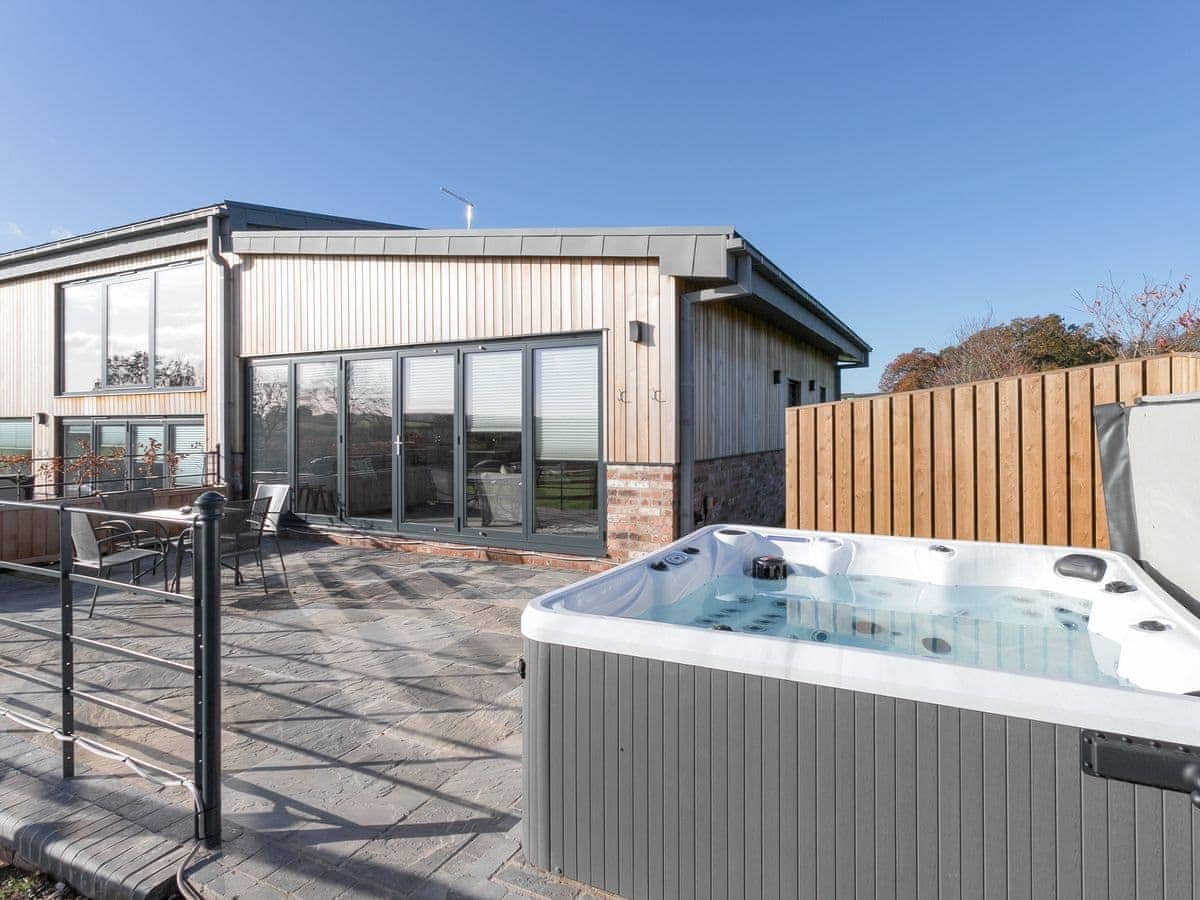
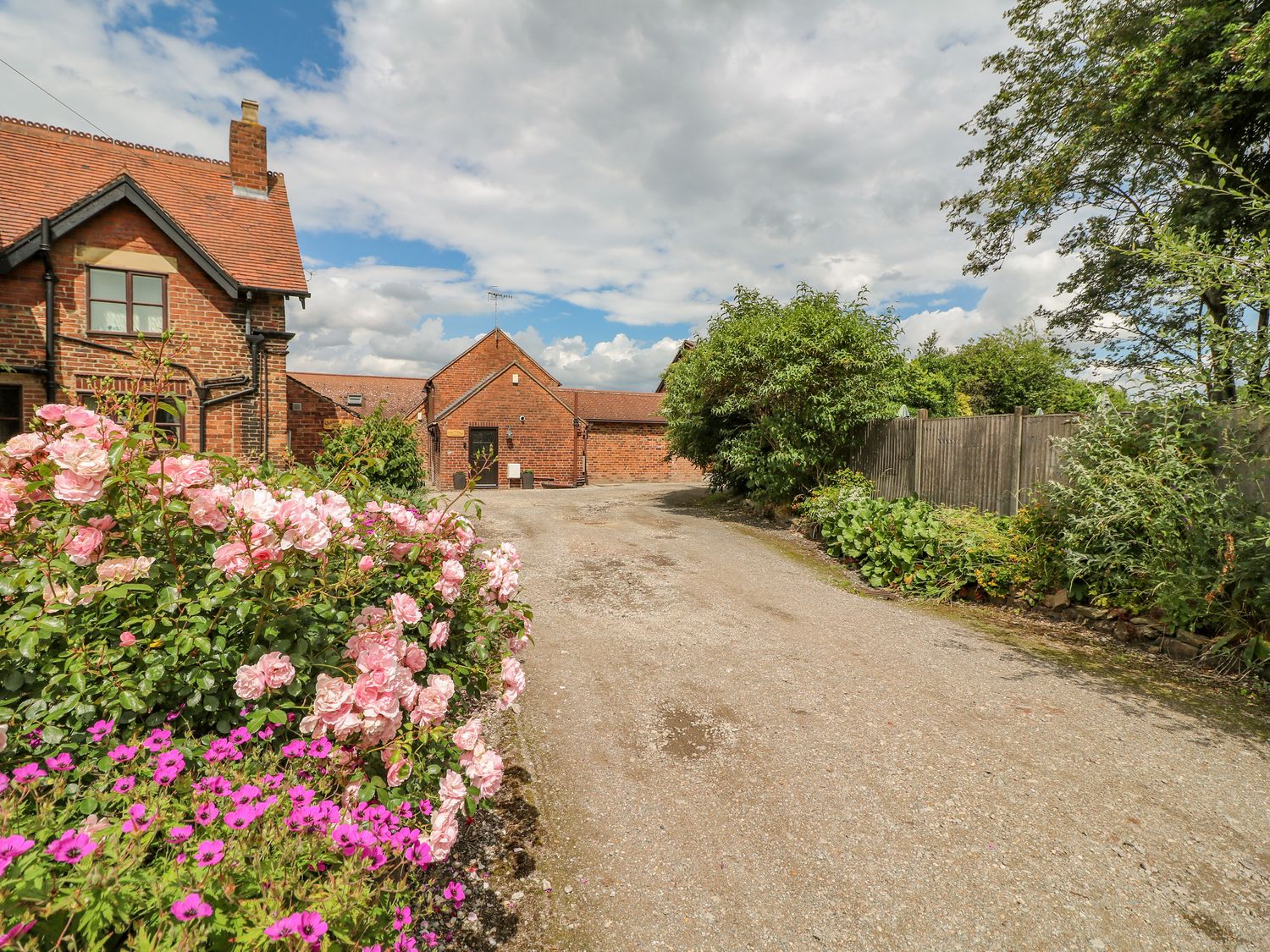
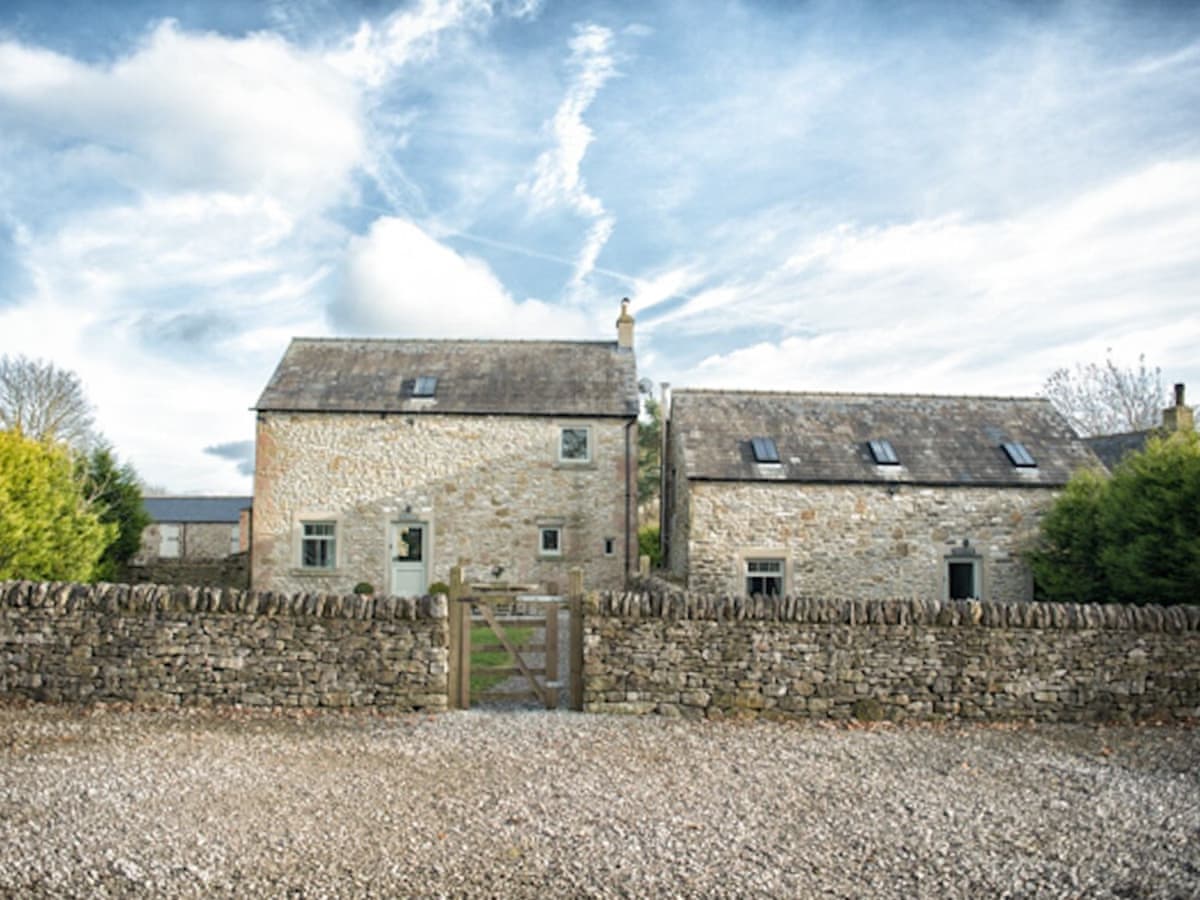
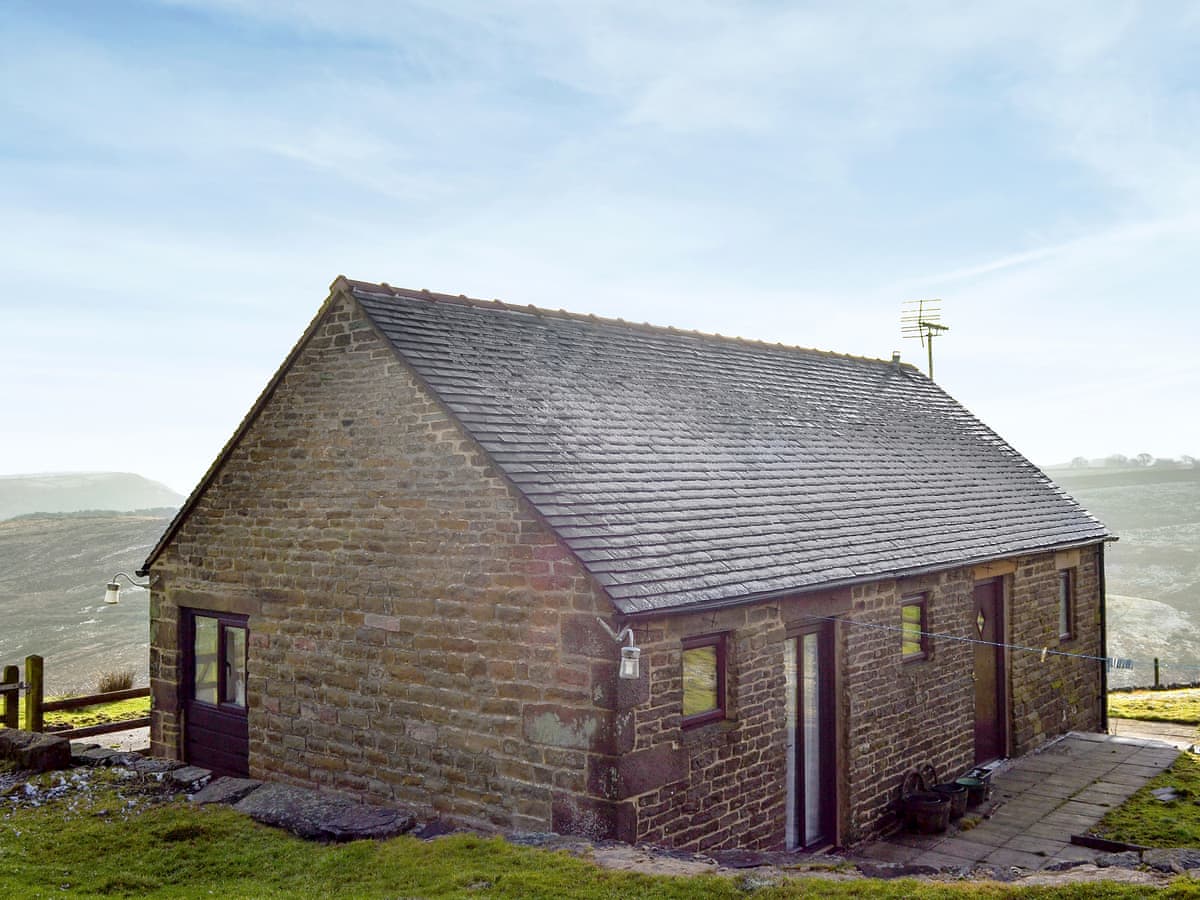
Check out these places to stay nearby
For woodland birding, Padley Gorge is a fantastic destination. This ancient oak woodland is one of the best places in the county to see pied flycatchers, wood warblers, and redstarts during the breeding season. The enchanting scenery and the sound of cascading streams make it a magical place for nature lovers.
Managed by the Derbyshire Wildlife Trust, this wetland reserve is ideal for spotting bitterns, little egrets, and marsh harriers. The gravel pits provide a mix of shallow water and reedbeds, attracting wildfowl such as teal and shoveler ducks, as well as breeding common terns in the summer.
One of the most picturesque spots in Derbyshire, Dovedale is home to an array of upland bird species. Look out for peregrine falcons soaring above the limestone cliffs, dippers feeding in the River Dove, and wheatears hopping among the rocks. Buzzards and ravens are also commonly seen in the area.
Middleton Moor is a fantastic location for observing moorland species such as red grouse, golden plovers, and short-eared owls. Hen harriers are occasionally spotted here, especially during migration. The open landscape provides a stark contrast to the wooded valleys of other birdwatching sites in the county.
This large country park offers a variety of habitats, including woodlands, wetlands, and grasslands. Species such as treecreepers, nuthatches, and great spotted woodpeckers thrive here, while the lakes attract wildfowl like tufted ducks and gadwalls. In spring and summer, warblers and chiffchaffs can be heard singing in the trees.
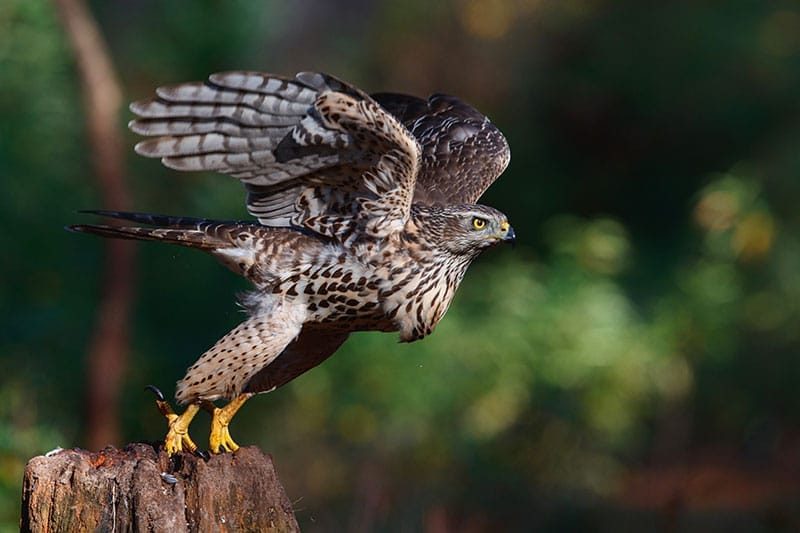
Ladybower Reservoir and the surrounding Derwent Valley are fantastic locations for spotting birds of prey. The area is one of the best places in the Peak District to see goshawks, sparrowhawks, and even ospreys during migration. Red grouse and ring ouzels can be found on the nearby moorland.
Owned by the National Trust, Longshaw Estate is a diverse birdwatching location featuring heathland, woodland, and open fields. It’s an excellent place to see crossbills, siskins, and redpolls in the pine trees, while meadow pipits and skylarks can be seen in the more open areas. Keep an eye out for barn owls at dusk.