Norfolk is one of the best places in the UK for birdwatching, offering a diverse range of habitats, from coastal marshes and wetlands to ancient woodlands and heathlands.
Located on the North Norfolk coast, Titchwell Marsh is a must-visit for birdwatchers. This RSPB reserve features salt marshes, freshwater lagoons, and sandy beaches, attracting a variety of species throughout the year. In winter, visitors can see flocks of Brent geese, while spring and autumn bring migrating waders such as avocets and spoonbills. Marsh harriers and bitterns are also regular sights.
Managed by the Norfolk Wildlife Trust, Cley Marshes is one of the UK’s most famous birdwatching sites. The reedbeds, shingle beach, and saline lagoons are home to bearded tits, bitterns, and marsh harriers. The reserve is also an excellent spot for wintering wildfowl and passing seabirds.
Stretching along the coast, Holkham’s mix of dunes, pine woodland, and marshland makes it a prime location for spotting geese, waders, and raptors. The large flocks of pink-footed geese in winter are a spectacular sight, while the reserve is also known for rare visitors such as great white egrets and spoonbills.
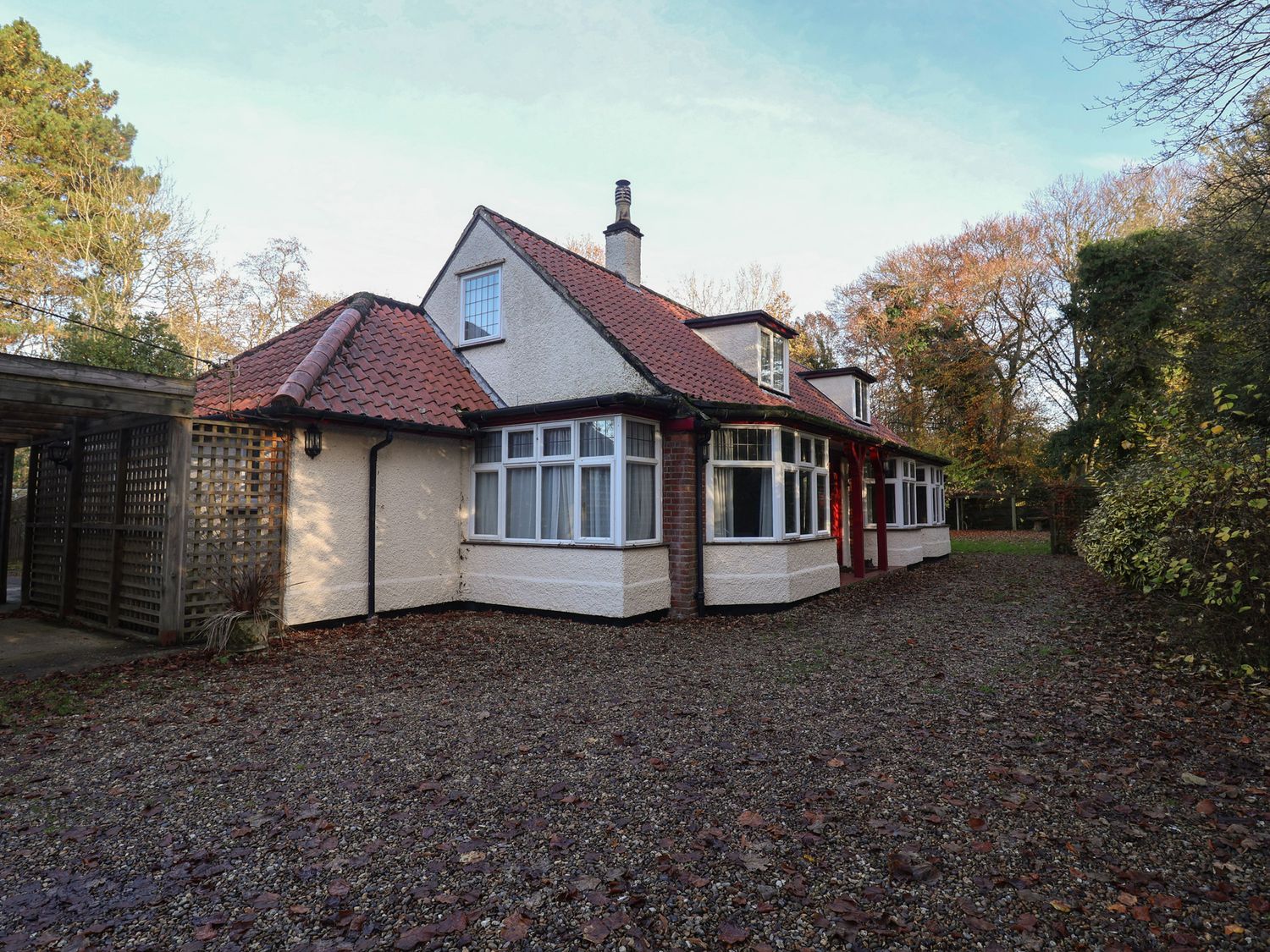
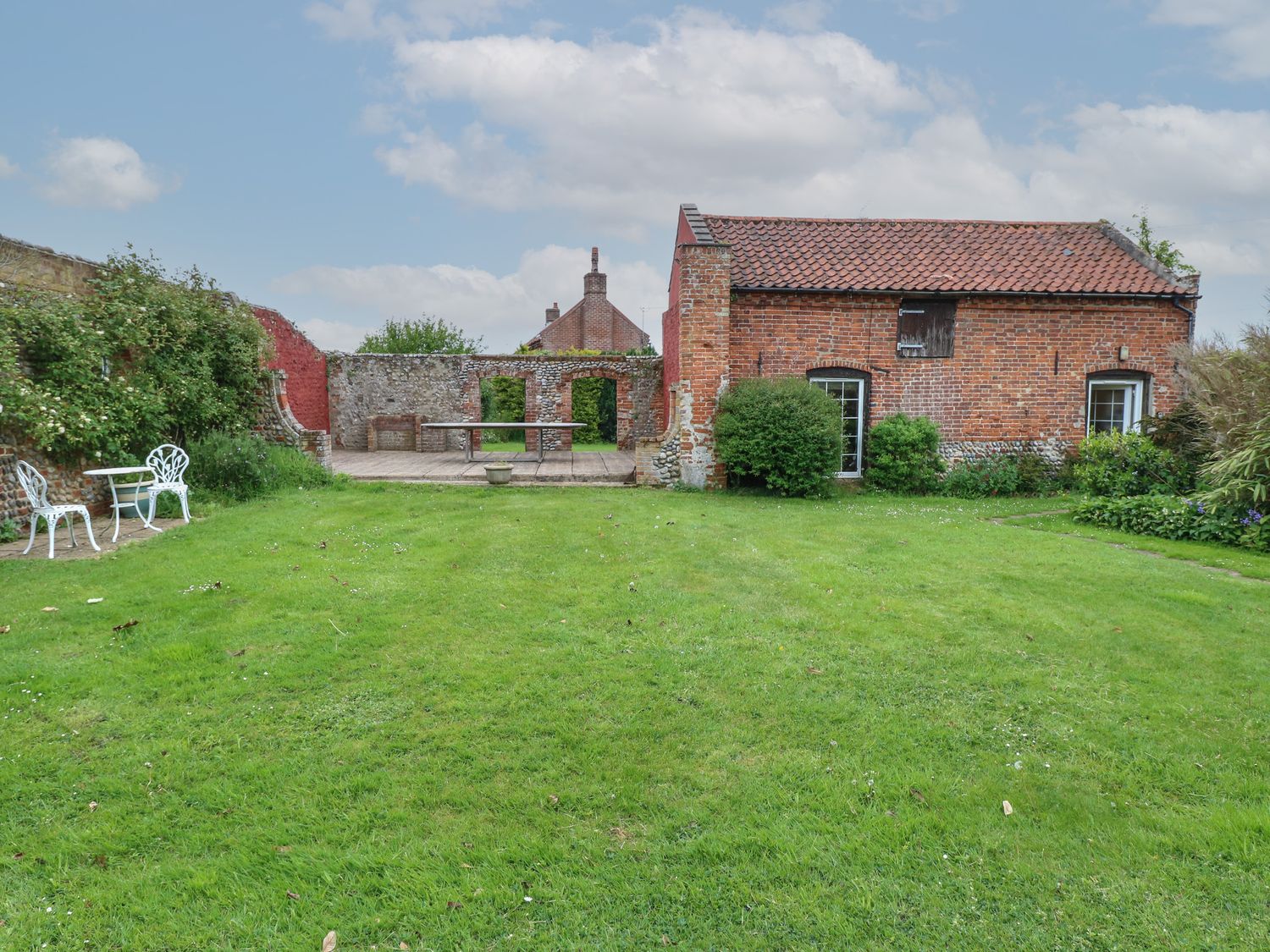
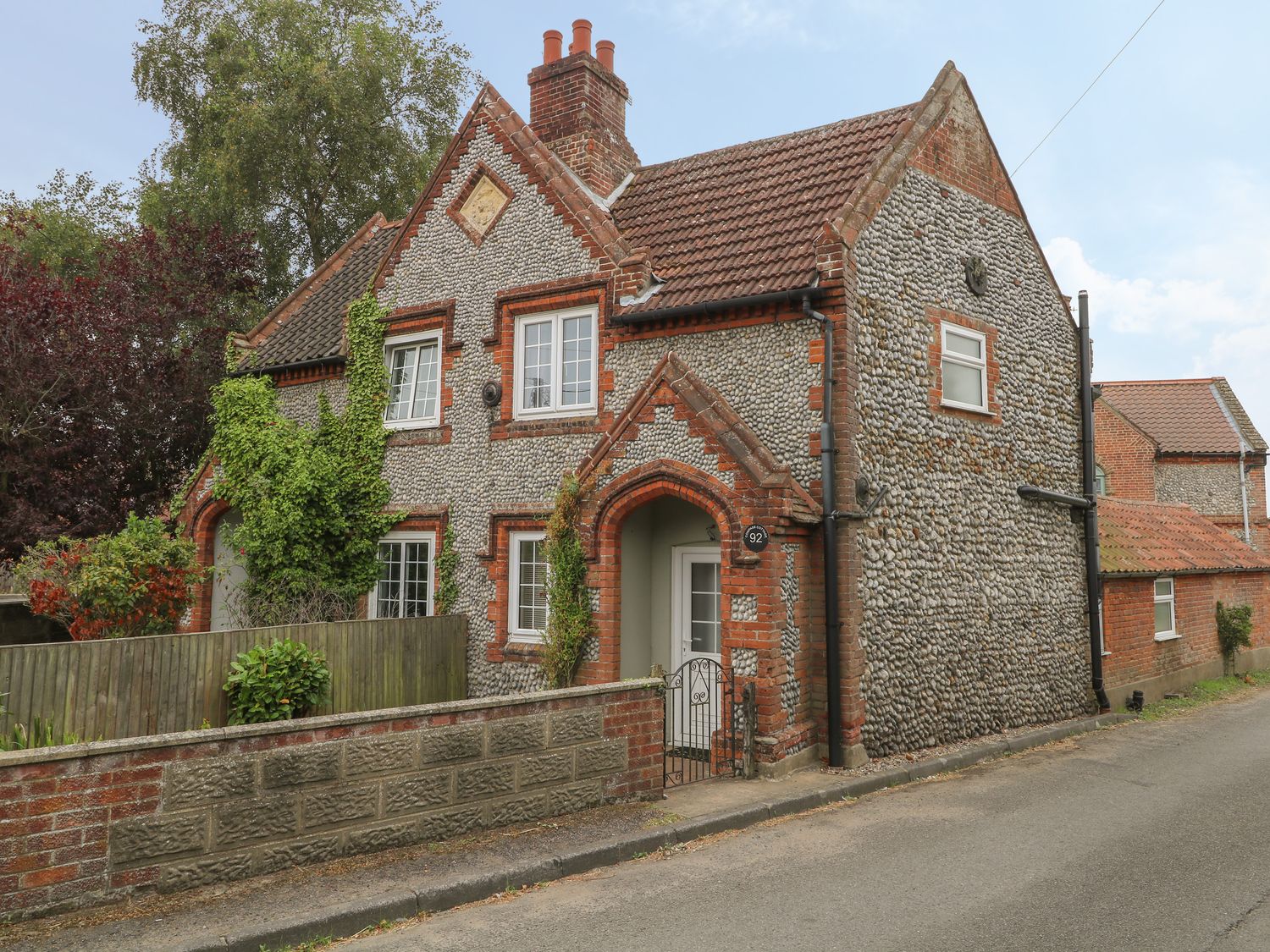
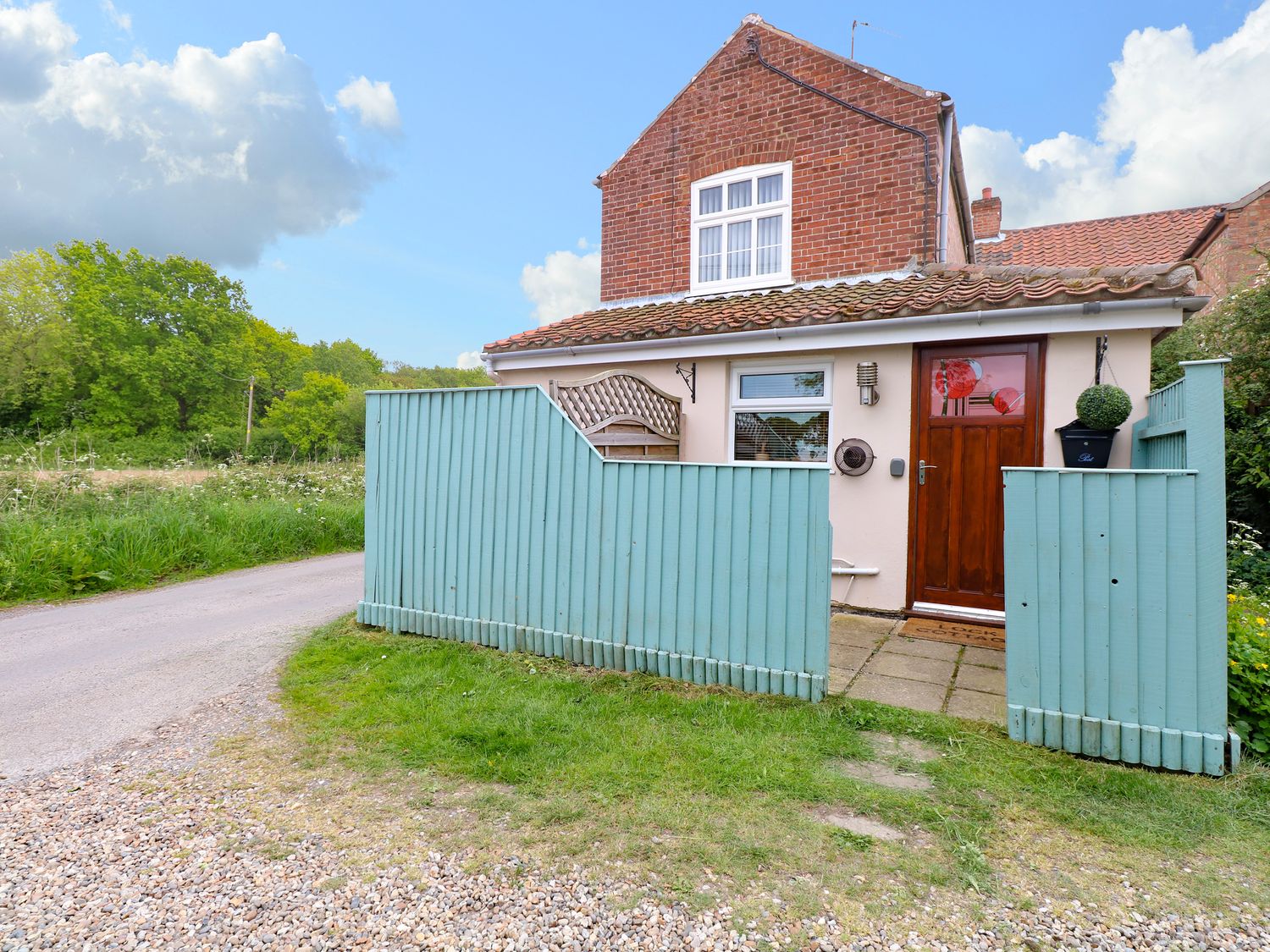
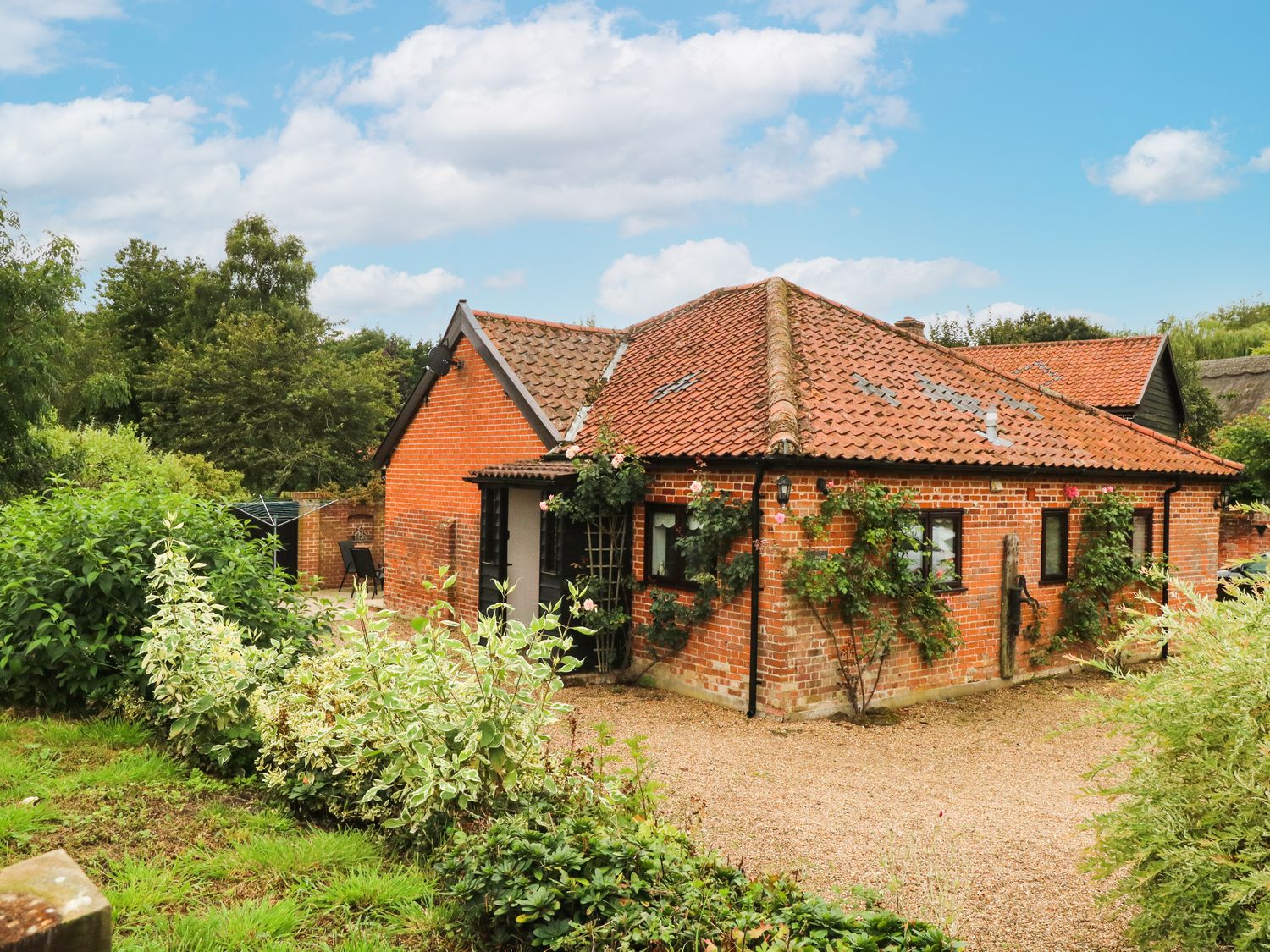
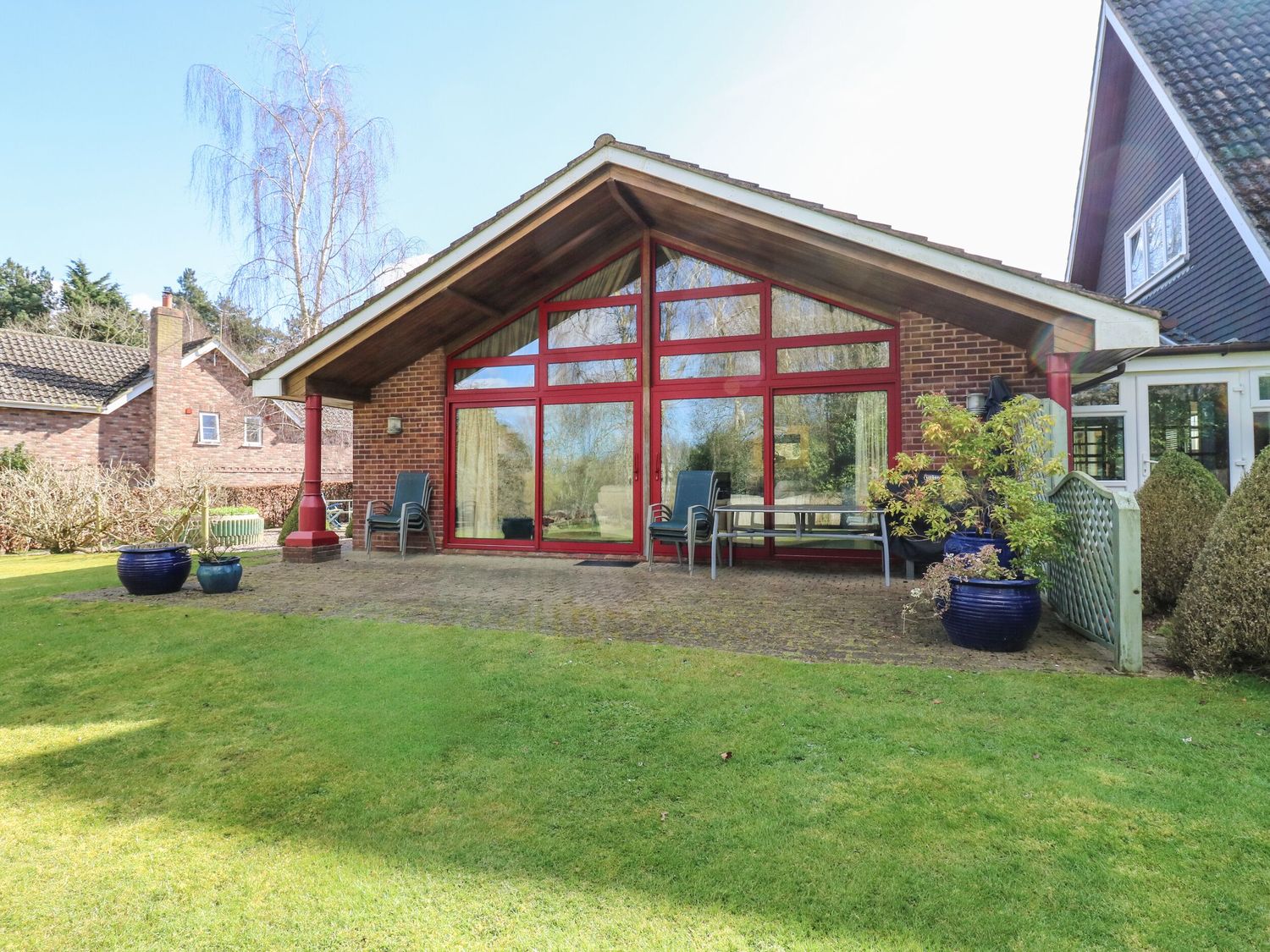
Check out these places to stay nearby
Famous for its breathtaking “Snettisham Spectacular,” this reserve offers an unforgettable experience when thousands of waders take to the skies in synchronised flight as the high tide pushes them off the mudflats. Knot, oystercatchers, and bar-tailed godwits are common, while peregrine falcons and merlins hunt overhead.
Situated within the Broads National Park, Strumpshaw Fen is a fantastic place to see wetland birds such as bitterns, kingfishers, and reed warblers. The reserve is also one of the best locations in the UK to spot the elusive swallowtail butterfly in summer.
Norfolk’s largest Broad is a haven for wildlife, with an extensive reedbed system that attracts cranes, bitterns, and marsh harriers. In winter, the reserve is a key roosting site for common cranes, which can often be seen flying in at dusk. Otters and Chinese water deer are also frequently spotted.
This peaceful reserve offers boardwalks through reedbeds and woodland, providing excellent views of great crested grebes, kingfishers, and warblers. The floating visitor centre is a great place to observe birds without disturbing them.
This coastal reserve combines sand dunes, heathland, and beach habitats, making it an excellent location for spotting little terns and wheatears in summer. In winter, the dunes provide shelter for snow buntings and short-eared owls, while grey seals can be seen along the shore.
A mix of wetlands, woodlands, and meadows, Pensthorpe is home to a wide variety of bird species. The park plays an important role in conservation, with breeding programmes for species such as corncrakes and red squirrels. Waders, ducks, and raptors can all be seen here.
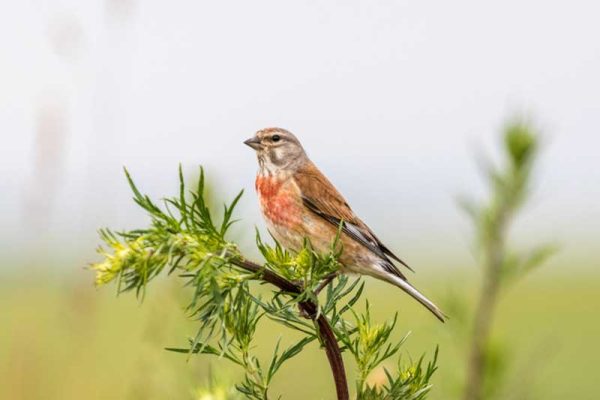
A lesser-known but rewarding birdwatching site, Syderstone Common offers a mix of heathland, woodland, and wetland. In spring and summer, look out for woodlarks, linnets, and whitethroats, while winter visitors may spot redpolls and long-tailed tits. Birds of prey, including barn owls and kestrels, are common year-round.