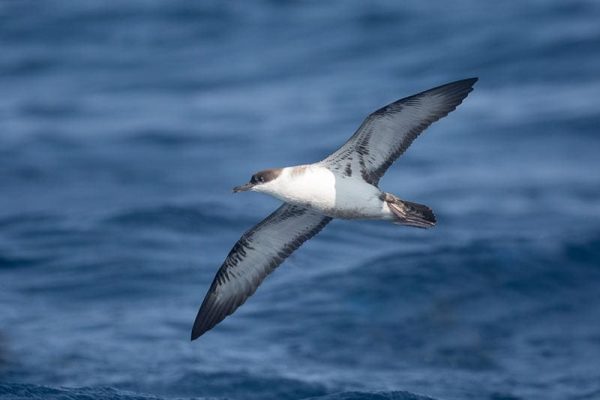
Breeding birds: 80,000 pairs
Wintering birds: 1,000,000
Family: Sandpipers And Allies
Snipes have dark brown upperparts marked with pale stripes and brown, chestnut and black streaks. Their wing coverts are dark brown with white spots and fringing. Flight feathers are dark brown with white tips and their tails are brown and chestnut with a white terminal line. Snipes have buff-white underparts, chin and throat and the breast is light brown with dark streaks. Their bellies are white and they have barred brown flanks.
Snipes have a dark brown crown with paler stripes and their cheeks and ear-coverts are dark brown with bars. They have long black bills with a yellow base, their eyes are dark brown and legs and feet are yellow or grey-green. Male and female snipes look similar.
Juvenile snipes are similar to adults but have pale brown wing coverts.
Try our interactive bird identifier
Snipes are monogamous and breed from April to June. They build their nest on dry ground hidden amongst vegetation and covered with grass, and sedges.
Snipes lay 4 dark olive eggs spotted with dark brown. The female incubates the eggs alone for 17-20 days. Both parents care and feed the chicks which fledge 19-20 days after hatching.
Snipes’ eggs are often trampled upon and they will lay replacement clutches as necessary.
Snipes feed on insects, worms, crustaceans, spiders and snails. They will also supplement their diet with seeds and plants.

Snipes can be found throughout the UK on moorland, and during the winter in wetlands.
Britain's Birds
RSPB Handbook Of British Birds
Collins Bird Guide
Male snipes perform a ‘winnowing’ display during courtship using his tail feathers to produce a sound that sounds like the bleating of a sheep or goat and insome languages snipe are known by names that mean ‘flying goat’ or ‘sky goat’.