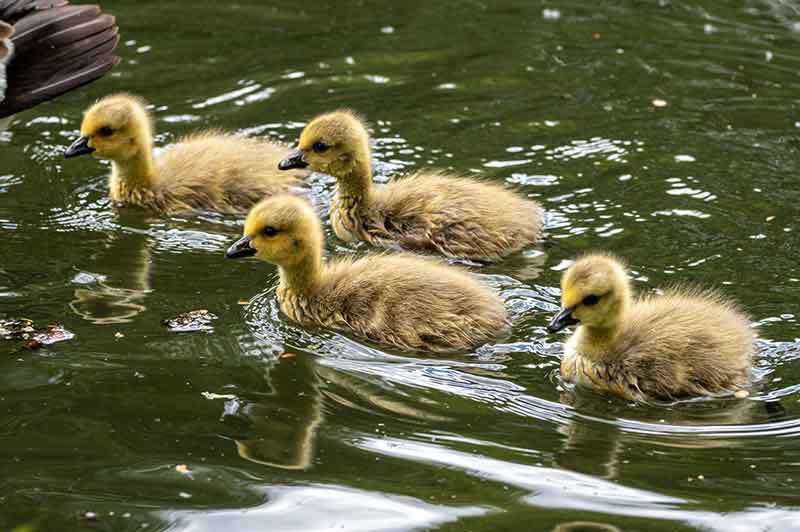
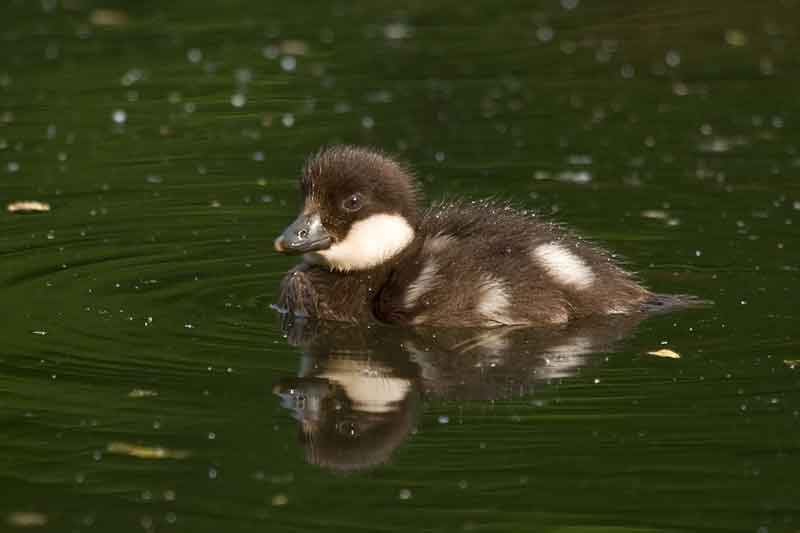
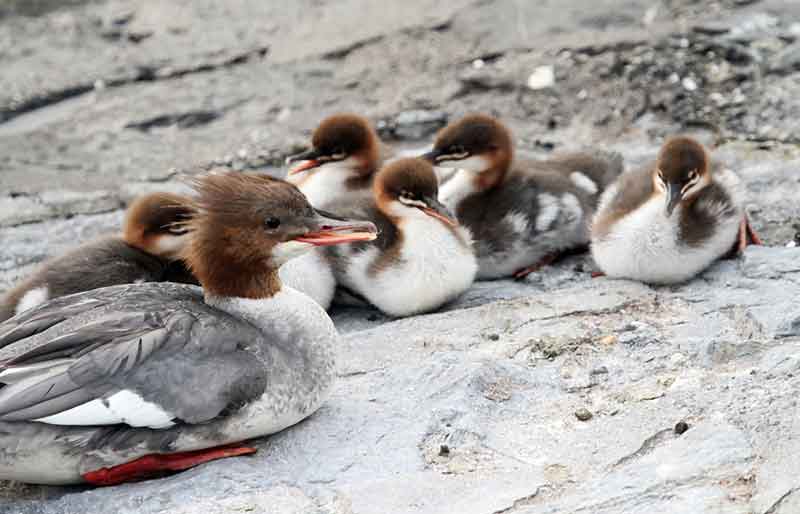
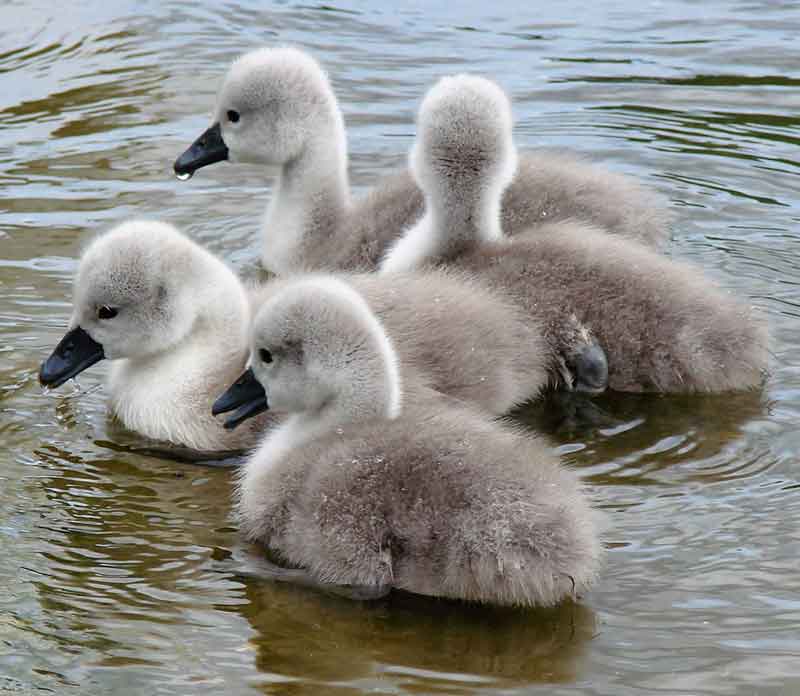
Cute baby animal pictures are the best and these adorable fluffy ducklings, cygnets and goslings definitely have the ‘aw’ factor.
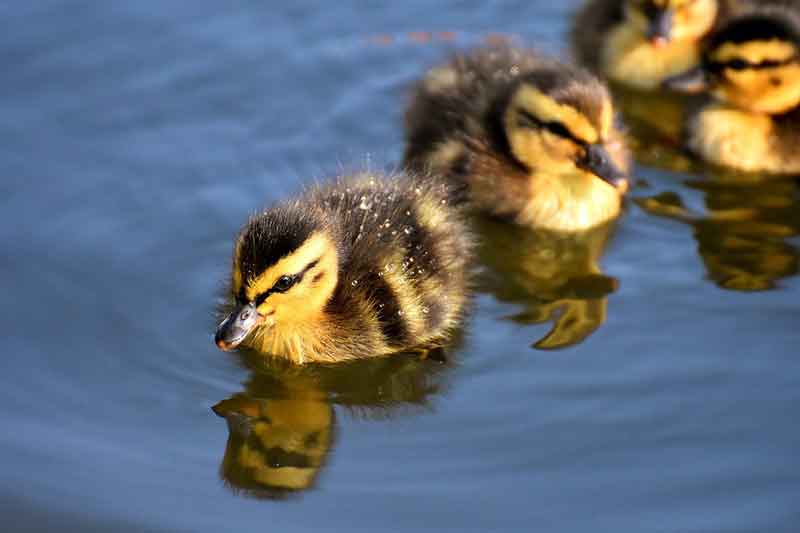
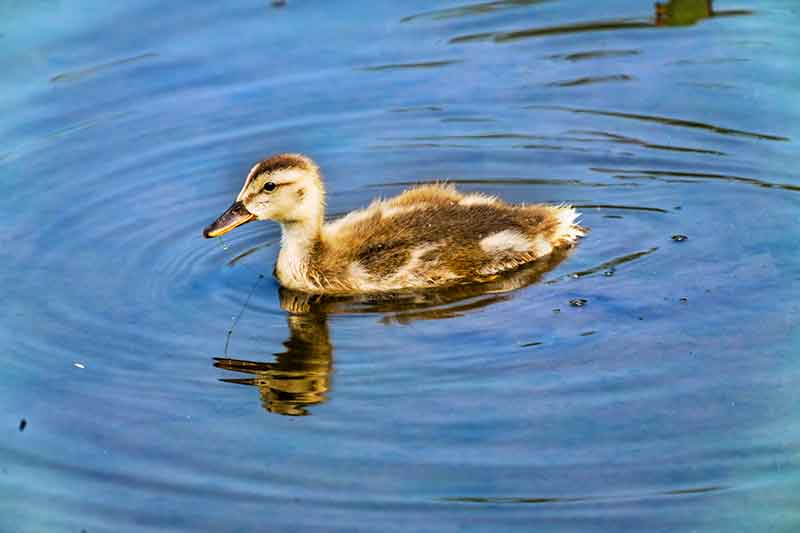
Mallard ducklings have blackish-brown down with yellow spots on their upperparts and yellow down on their underparts. Their faces are mostly yellow, with a dark stripe running through the eye and a dark crown and nape. They have black eyes and bills, while their legs and feet are dark grey. By around a month old, they begin to lose their bright colouring, becoming drabber and similar to adult females, though more streaked, with paler legs.
When they hatch, mallard ducklings are precocial, meaning they can swim and feed independently. However, filial imprinting drives them to stay close to their mother, not only for warmth and protection but also to learn about their habitat and how to forage. The mother raises them alone until they are fully feathered, which takes about 50–60 days from hatching.
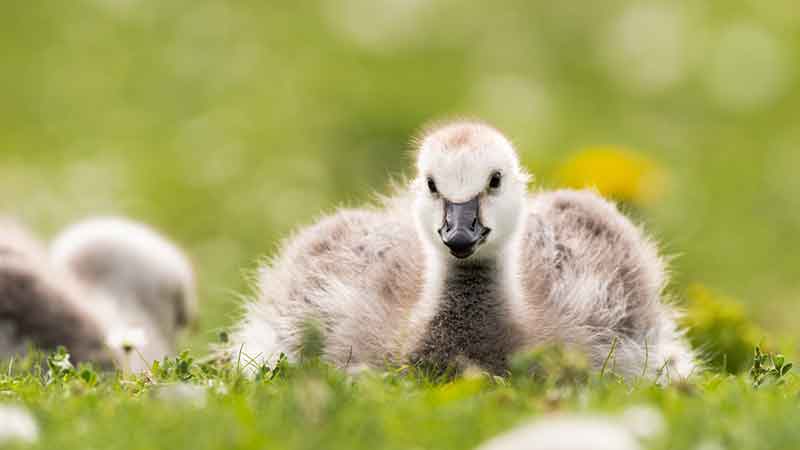
Barnacle goslings are precocial and leave the nest as soon as their down dries. They follow their parents to well-vegetated marshes, where they start to feed themselves, always under the watchful protection of the adults.
However, when the nest is located on a high cliff ledge, the goslings, unable to fly, must make a dramatic leap from the clifftop to the ground below in search of food. Both parents wait at the bottom, and once the goslings can walk, they guide them to wet feeding areas.
While their small size, feathery down, and light weight offer some protection as they hit the rocks, many are seriously injured or killed by the impact. Chicks are also often taken by Arctic foxes or polar bears, and only about 50% survive to their first month.